
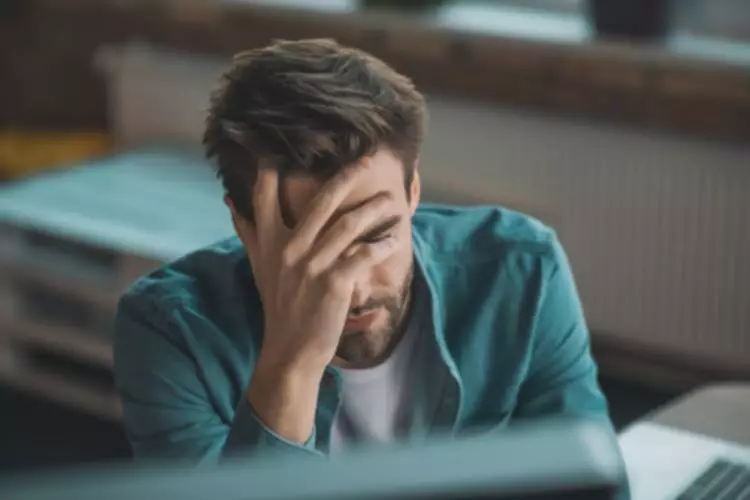
Yes, beers with higher alcohol by volume (ABV) tend to have a more pronounced diuretic effect. Light beers (3-5% ABV) may not dehydrate you as quickly as stronger ales or IPAs (7% ABV and above). Electrolytes play a critical role in maintaining fluid balance within our bodies. Sodium, potassium, magnesium, and calcium are essential for various bodily functions including muscle contractions and nerve signaling.
Health News

Choosing to drink responsibly and staying hydrated is crucial in mitigating the effects of alcohol dehydration and promoting good health in the long run. You can also choose non-alcoholic drinks or mocktails to reduce your alcohol consumption. These drinks can be just as delicious and refreshing as alcoholic drinks, and they won’t dehydrate you.
What Is a Hangover?
- Adequate amounts of water every day are the only way to maintain that delicate water-electrolyte balance and dodge the detrimental impacts of dehydration.
- This may mitigate alcohol’s dehydrating effects somewhat, but the safest option is to avoid drinking altogether.
- Two of the most popular options on the market are magnesium glycinate and magnesium citrate, and they each offer unique benefits depending on your health needs.
- The higher the alcohol content of a particular drink, the greater this effect becomes.
- Therefore, it is generally recommended to have a glass of water with every beer to help maintain proper hydration.
This is likely because of the interaction of sugar and water within the cells. Higher sugar intake causes the cells in the body to transfer more water and increase urination. Energy drinks may contain a combination of dehydrating ingredients. They generally contain high levels of caffeine and sugar and may contain other added ingredients that stimulate the kidneys and act does drinking beer cause dehydration as a diuretic.
Losing Fluids Can Offset Electrolyte Levels
The idea that children were drinking pints of Stella and then heading off to school Sober living house is sadly unfounded. As you can see, the amount of water you are expected to drink is much lower than that eight glasses of water guideline that the media often promotes. There isn’t anything wrong with drinking eight glasses per day (particularly if you have a very high metabolism).
- A hangover is a group of unpleasant symptoms that can happen after drinking too much alcohol.
- During a hangover, a person’s attention, decision-making, and muscle coordination can all be impaired.
- If these detectors reckon that you are dehydrated, they send a signal to the posterior pituitary gland, which starts pumping out ADH.
- Alcohol causes dehydration by reducing the kidney’s capacity to absorb water and increase the amount of urine produced.
- While these drinks don’t cause dehydration, large amounts may increase urine production.
- This loss of fluids can affect your electrolyte levels, causing dehydration and symptoms like headaches and fatigue.
- This is because the stomach and intestines are not busy digesting and absorbing food matter, allowing alcohol to be absorbed into the bloodstream more quickly.
Short-Term Effects of Alcohol Dehydration
If you have been exercising at a high intensity, then your body may well be dehydrated. Quenching your thirst with high alcohol beer is not a good idea. Because while you will begin to rehydrate in the short-term, once the alcohol has affected vasopressin levels you will begin to urinate more.
- Dark liquors like whiskey and brandy can dehydrate you more quickly and make a hangover feel worse due to their high congener content, including tannins and acetaldehyde.
- Alcohol can disrupt normal metabolic processes in several ways.
- You might assume that any fluid intake should contribute to your hydration level.
- As a result, your body loses essential nutrients, and you find yourself with frequent washroom visits.
